Market · 1 min read
What actually changed in the Bangalore office market this year
Metro extensions moved demand east and south. Managed offices took share from conventional leases. Here is what the numbers look like from where we sit.
Bangalore Offices · 22 Sept 2026
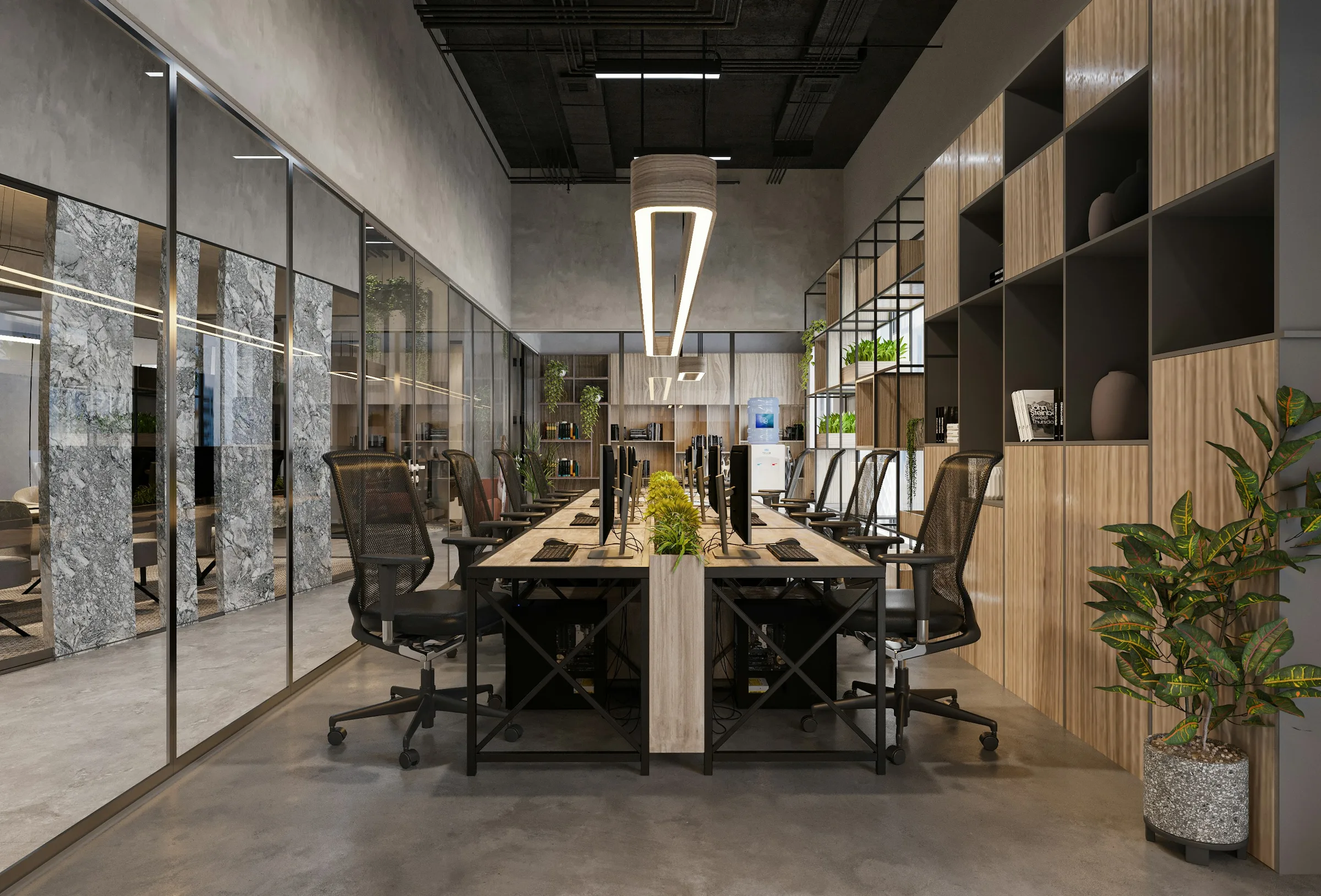
Three things moved the Bangalore office market this year, and only one of them was rent.
The metro redrew the map
The Purple Line extension to Whitefield and the Yellow Line down Hosur Road did more for occupier economics than any rent negotiation. Addresses that were previously a ninety-minute commute from the centre are now under an hour on rail. We have seen requirement briefs that specified "CBD or Indiranagar only" reopen to Whitefield within a quarter of the extension opening.
The practical effect is on hiring, not on rent. Companies that moved east reported materially less resistance from candidates living in the west of the city.
Managed offices took share
The split between coworking and managed space continues to move. Below fifty seats, coworking still wins on flexibility and price. Above it, the managed model now wins more often than not — largely because it converts a capex conversation into an opex one, and because fit-out timelines have compressed.
The cost premium per seat is real. Whether it is worth paying depends almost entirely on how confident you are in your headcount plan eighteen months out.
The spread within a single street widened
On and around MG Road you can now pay ₹11,600 a desk beside Trinity metro or ₹30,000 on Residency Road. Both are defensible. What has changed is how much homework it takes to know which one you are looking at.
What this means for a decision this quarter
If your requirement is under sixty seats, you have more genuine choice than at any point in the last five years. If it is over three hundred, you have less than you think. Plan the large requirement earlier.